
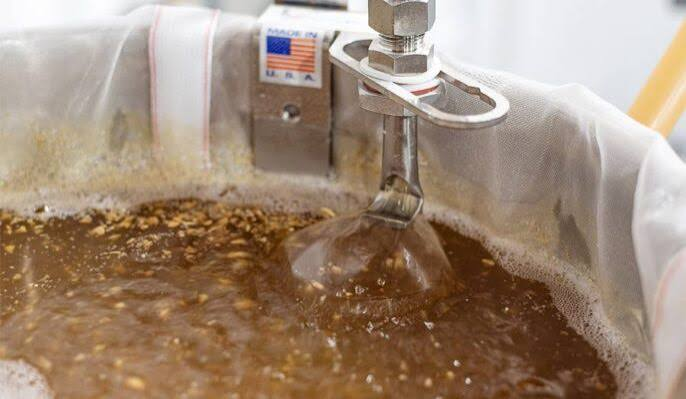
Temperature stratification means the mash is warmer in one part of the vessel than another. It can change conversion, wort composition, and repeatability even when the control display shows the planned setpoint. The solution is to verify temperature at several locations, then adjust mixing, heating, flow, and sensor placement before rewriting the recipe.
When comparing brewery mash tun, start with the process duty and the conditions that will expose a weakness. A catalogue capacity or single performance number cannot show how the unit will behave across normal production, cleaning, start-up, and a demanding recipe.
What the Equipment Must Accomplish
A mash tun should expose grist and water to the intended time and temperature profile. Steam jackets, external calandrias, and direct infusion systems deliver heat differently, but none can compensate for an unmixed bed or an inaccurate probe. Record grain weight, water volume, mash thickness, heat input, and hold duration when comparing batches. The relevant number is the temperature experienced by the grain, not merely the value displayed by one transmitter.
How to Diagnose the Current Problem
Measure the mash near the top, center, and lower regions using a calibrated portable probe during a stable rest. Make measurements after mixing stops and again after heat is applied. A hot layer near a jacket suggests weak circulation; a cooler core after dough-in points toward poor wetting or insufficient agitation. Compare these readings with the control probe. If a probe sits against a heated wall or inside a stagnant pocket, its reading can be technically accurate yet unrepresentative.
Which Design Details Matter
Specify agitator geometry, motor control, rake or paddle clearance, jacket zones, and sensor wells together. A variable-speed agitator can help distribute heat without shredding the grain bed, but the acceptable speed depends on the process and vessel. Confirm that dough-in reaches all grain evenly and that the heating method can raise the full working volume without scorching. Ask for drawings showing probe locations and the effective mixing zone, not just vessel capacity.
Utilities and Installation Requirements
Check steam pressure or electrical load under a full mash rather than at an empty-vessel test. Temperature recovery after a grist addition depends on water temperature, grain temperature, heat-transfer area, and mixing. A smaller tun can look responsive during commissioning yet struggle at maximum grain loading. Leave room for access to the drive, gear reducer, seals, sensors, jacket connections, and bottom discharge. Insulation reduces heat loss but will not remove an internal gradient.
Cleaning and Safety Requirements
Inspect any agitation shaft seal, dead space around sensors, and under-rake surfaces during the sanitation review. The mash side is not treated exactly like cold-side product piping, but residue buildup can still affect movement, heat transfer, and repeatability. Lock out the drive before entering or servicing the vessel. Any confined-space work requires the site’s formal safety procedure. Cleaning chemicals and temperatures must match gasket, sensor, and bearing specifications.
Common Specification Mistakes
Do not react to a one-off low gravity reading by raising the mash setpoint automatically. Check grist crush, liquor-to-grist ratio, flow through the grain bed, and temperature mapping first. If the measured spread increases only at high batch size, the problem may be mixing capacity. If the spread appears after heating starts, review jacket control or recirculation. A single sensor cannot distinguish all of these causes, which is why short mapping trials are valuable.
How to Verify Performance
During acceptance, run a full grain and water load at the maximum planned recipe thickness. Record temperature at several depths during dough-in, each rest, heating, and transfer. Set an acceptable spread and recovery time in advance, and repeat the test on more than one batch. Save the controls trend alongside portable readings so the team can identify whether the vessel, sensor, or operating method needs adjustment.
How to Compare Supplier Proposals
For brewery mash tun, give every supplier the same product mix, batch size, duty cycle, utility conditions, control expectations, and acceptance criteria. Ask each one to mark exclusions as clearly as inclusions. Compare drawings, materials, instruments, access, controls, documentation, spares, installation support, and warranty boundaries rather than comparing vessel size or purchase price alone. A lower bid can become a higher installed cost when field piping, valves, software, commissioning, and training are omitted. Request a component list and a responsibility matrix before placing an order.
A request for quotation for mash tun equipment should state the operating cases that matter most. Ask which values are guaranteed at the site, which are estimates, and what the supplier expects the brewery to provide. Keep any change to the agreed design in a written revision so the acceptance test remains tied to the installed equipment.
The Purchase Specification in One Page
For this application, the one-page specification should state full-grist temperature spread at each mash rest, heat-up time at maximum loading, agitator operating range, and actual probe locations. Include the beer or wort condition at the test point, the expected range rather than a single ideal value, and who will measure each result. Add the drawings and documents needed to confirm that the delivered machine matches the offer. Name the site utilities and the boundary between supplier and brewery work. Finally, define the out-of-range response, because a number in a quotation is useful only when both sides know what happens if the installed system misses it.
A Practical Commissioning Sequence
For mash tun equipment, check mechanical completion, instrument identification, electrical and utility connections, safe isolation, and cleaning readiness before processing beer. Run water or an appropriate test medium first where it can reveal leaks or control errors without sacrificing a batch. Then test the equipment with a representative production load. Record the settings, alarms, operator actions, measurements, and deviations. Train operators using the final configuration, not a draft drawing. Revisit the data after several runs, because an installation can pass a single demonstration and still fail under a full production schedule.
What to Keep in the Operating Record
Keep the approved drawing, equipment tags, settings, certificates where relevant, cleaning procedure, spare-parts list, and baseline performance trend for brewery mash tun together. Record the conditions behind each meaningful failure, including recipe, volume, temperature, pressure, flow, and operator action. That record helps separate a mechanical defect from a changed process. Review it after any new tank, recipe, package format, or utility change. A durable specification is one the brewer, maintenance team, and supplier can all test against the same evidence.
Can One Temperature Probe Represent the Whole Mash
Usually not without a mapping trial. A control probe reports its own location, and a heated wall or unmixed pocket can differ from the grain’s average condition. Check several depths during a full-volume mash. If the spread stays small across the planned recipes, a single control reading may be sufficient for routine operation; keep the mapping record as the basis for that decision.
